
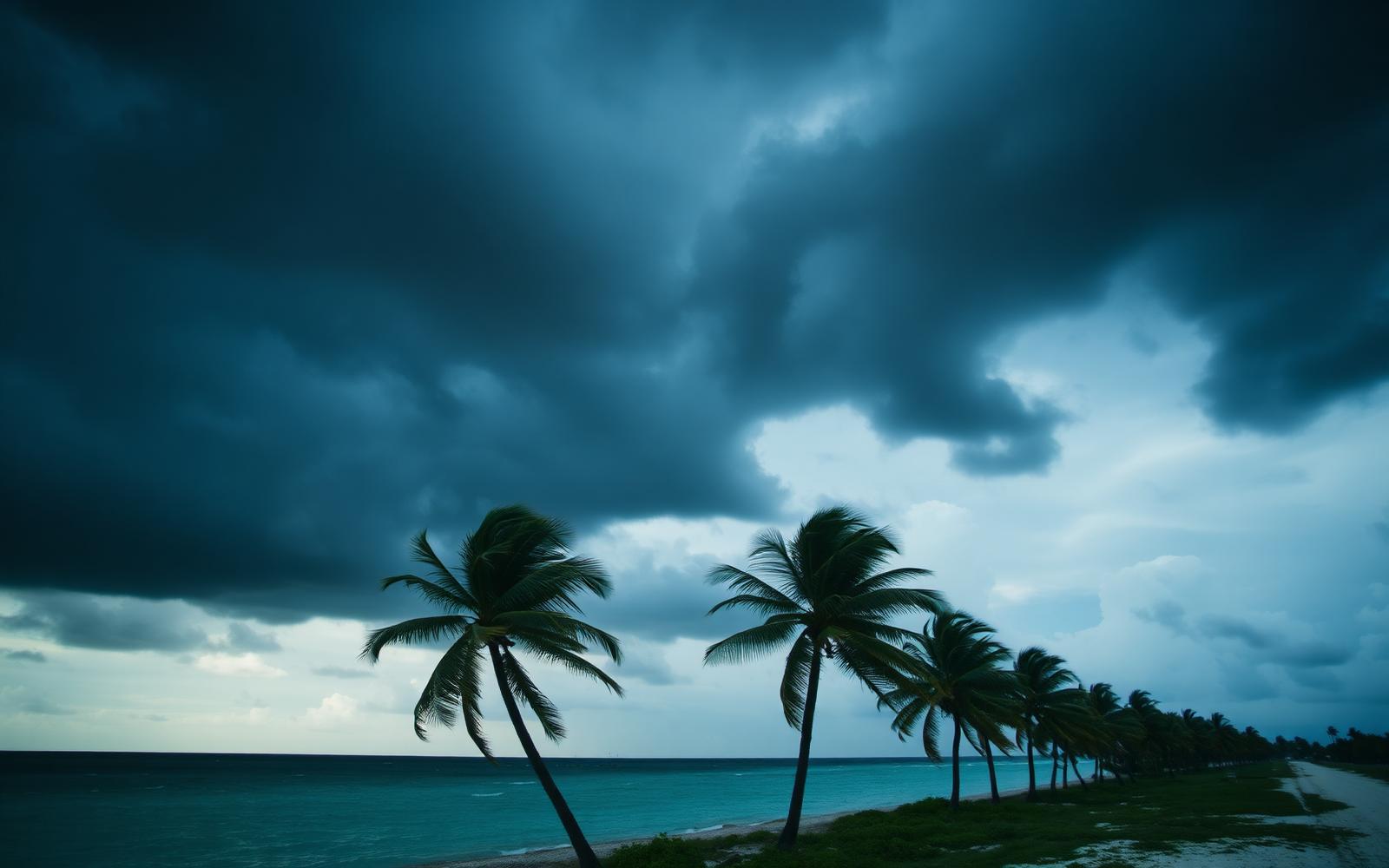
1. Why hurricane prep in Key West is different
Key West sits at the southern tip of the Florida Keys, surrounded by warm Atlantic and Gulf water and less than 18 feet above sea level at its highest natural point. That geography shapes every part of storm preparation. Storm surge, wind-driven rain, salt spray, and prolonged humidity can affect a property well before and after landfall — and the island's mix of historic wood-frame homes, CBS construction, and elevated concrete builds each demand a different approach.
A generic Florida checklist misses the details that matter here: how salt air accelerates corrosion on fasteners and shutter tracks, how a slow-moving tropical system can push water under original Dade County pine flooring, and how mandatory evacuation orders leave absentee owners unable to react from off island. This guide focuses on those local realities.
2. Hurricane season timeline
Atlantic hurricane season runs June 1 through November 30, with peak activity in the Keys typically from mid-August through mid-October. Treat preparation as a rolling process, not a single week of scrambling:
Annual roof, shutter, and drainage inspection. Refresh emergency contacts and insurance documents.
Trim vegetation clear of the roofline. Service standby generators. Confirm shutter hardware and fasteners.
Watch tropical outlooks. Stage supplies. Pre-position plywood, sandbags, and tarps.
Execute your storm plan: shutters up, exterior secured, utilities prepared, documents secured.
3. A 30-day preparation checklist
When a named storm enters the Caribbean or Gulf, you generally have five to seven days of usable prep time. Work backward from landfall using this list:
30–14 days out
- Inspect the roof for lifted shingles, cracked tiles, or corroded flashing.
- Test every hurricane shutter — panels, accordions, and rolling systems.
- Clear gutters, downspouts, and roof drains. Confirm scuppers are open.
- Trim trees and palms clear of the roof, windows, and power lines.
- Verify generator fuel, oil, and transfer-switch operation.
14–3 days out
- Photograph the interior and exterior for insurance documentation.
- Move outdoor furniture, planters, grills, and loose items to secure storage.
- Stage plywood, tarps, sandbags, and duct tape in an accessible location.
- Charge devices, top up prescriptions, and confirm cash on hand.
- Fill vehicles and portable fuel containers early — lines grow quickly.
72–24 hours out
- Install all hurricane shutters or board vulnerable openings.
- Turn off pool pumps; lower pool water 12 inches; add extra chlorine.
- Secure or remove dock lines, tenders, and loose exterior fixtures.
- Elevate valuables and electronics above expected flood levels.
- Shut off propane at the tank; unplug non-essential electronics.
- If evacuating, turn off water at the main and power at the panel.
4. Salt-air and corrosion protection
In Key West, salt is always in the air — and any hardware that fails during a storm because of quiet, year-round corrosion is a preventable loss. Fasteners, hinges, and tracks on shutters and awnings deserve annual attention:
- Replace corroded shutter bolts, wing nuts, and anchors with stainless steel (304 or 316) rated for coastal exposure.
- Rinse aluminum shutter tracks with fresh water and lubricate with a marine- grade dry lubricant, not petroleum-based sprays that trap salt.
- Inspect A/C condensers, generators, and pool equipment for corrosion at contacts and disconnects — these are common failure points after storms.
- Repaint exposed steel and touch up chipped coatings on railings, gates, and gutters well before a storm rather than during preparation week.
5. Water-intrusion mitigation
In the Keys, most storm damage is water damage. Wind-driven rain finds gaps that seemed sealed in fair weather, and slow-moving systems can push water horizontally under doors, through failed caulking, and up through slab penetrations.
Seal the envelope
Re-caulk windows, doors, and penetrations before season. Focus on the side of the home facing prevailing storm winds (typically south and east).
Manage grade & drainage
Confirm the ground slopes away from the foundation. Clear yard drains and swales. Add temporary sandbag berms at low points.
Protect thresholds
Use flood-rated door sweeps, threshold gaskets, or removable flood barriers at entry doors and garages.
Guard interior finishes
Lift rugs, wrap lower cabinetry, and move electronics above expected surge. Historic wood floors are especially vulnerable to standing water.
6. Considerations for historic Key West homes
Old Town's historic wood-frame conch houses, eyebrow cottages, and Victorian homes were built to survive tropical weather — but they weren't built to modern impact-glass codes, and their finishes are difficult and expensive to replace. A few Key West–specific considerations:
- Historic District rules restrict changes to exterior appearance. Coordinate shutter styles, colors, and mounting with the Historic Architectural Review Commission (HARC) well before you need them.
- Original Dade County pine siding and flooring is dense but not impervious to standing water. Prioritize drying and dehumidification within the first 48 hours after any intrusion.
- Older single-hung wood windows benefit from panel shutters or removable plywood covers cut to fit and pre-labeled by opening.
- Metal roofs common to the Keys should be inspected for lifted seams and loose fasteners annually — a small pre-season repair is far cheaper than a post-storm ceiling replacement.
7. Absentee owners and second-home properties
Many Key West properties are owned by people who don't live on-island full time. Once a mandatory evacuation is called, non-resident owners typically cannot return until it is lifted. Build an off-island plan now:
- Identify a local point of contact authorized to enter and secure the property.
- Pre-arrange shutter installation, exterior securing, and post-storm inspection with a local maintenance provider — not a promise the week of the storm.
- Keep a shared digital folder with insurance policies, contractor contacts, utility accounts, and property photos accessible from a phone.
- Confirm alarm, water-leak, and camera systems will still transmit after a power loss (cellular backup, battery UPS).
8. After the storm passes
Recovery starts the moment it is safe to move. The first 72 hours have an outsized impact on total damage — especially for water intrusion and mold.
Safety first
Watch for downed lines, gas leaks, and structural damage before entering. Assume standing water is contaminated.
Document everything
Photograph and video damage before moving or removing anything. Save receipts for temporary repairs.
Temporary repairs
Tarp exposed roof areas, board broken openings, and stop active water intrusion to prevent secondary damage.
File claims early
Contact your insurer promptly. Keep a written log of every contractor, adjuster, and communication.
9. When to call a pro
DIY only goes so far in the Keys. Bring in a licensed local provider when the job involves roof access, electrical systems, standing water, structural damage, historic finishes, or insurance-scoped repairs. Square Property Maintenance Inc. helps Key West property owners with both pre-storm preparation and post-storm response — from shutter installation and exterior securing to water-intrusion response, temporary repairs, and coordination of the full restoration process.
We help you prepare, respond, and recover.
Learn more about our full Hurricane & Storm Services offering, or request a preparation review for your property.
This guide is informational and does not replace guidance from local emergency management, licensed engineers, or your insurance carrier. Follow all evacuation orders issued by Monroe County officials.